case study
3D bin picking
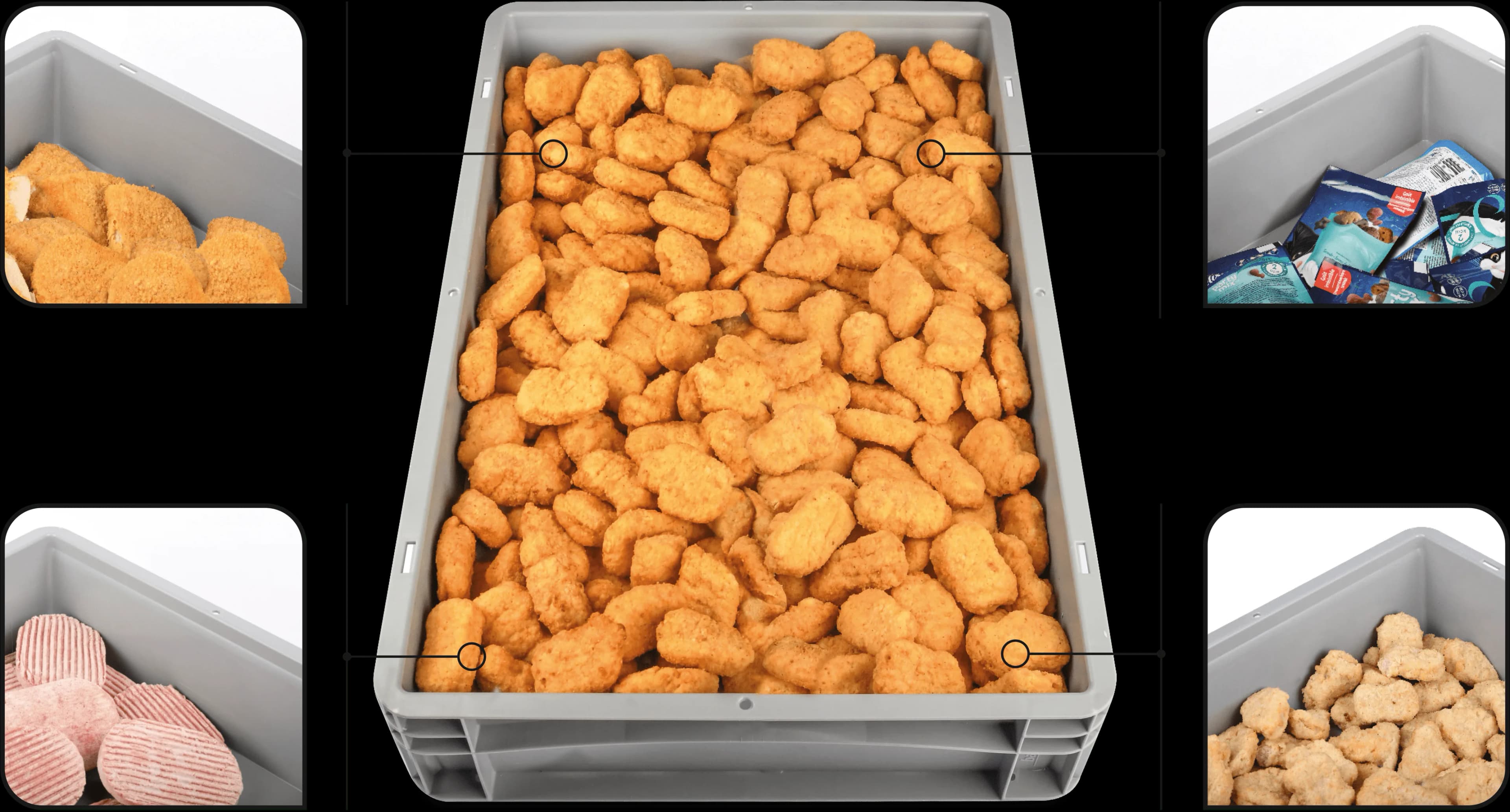
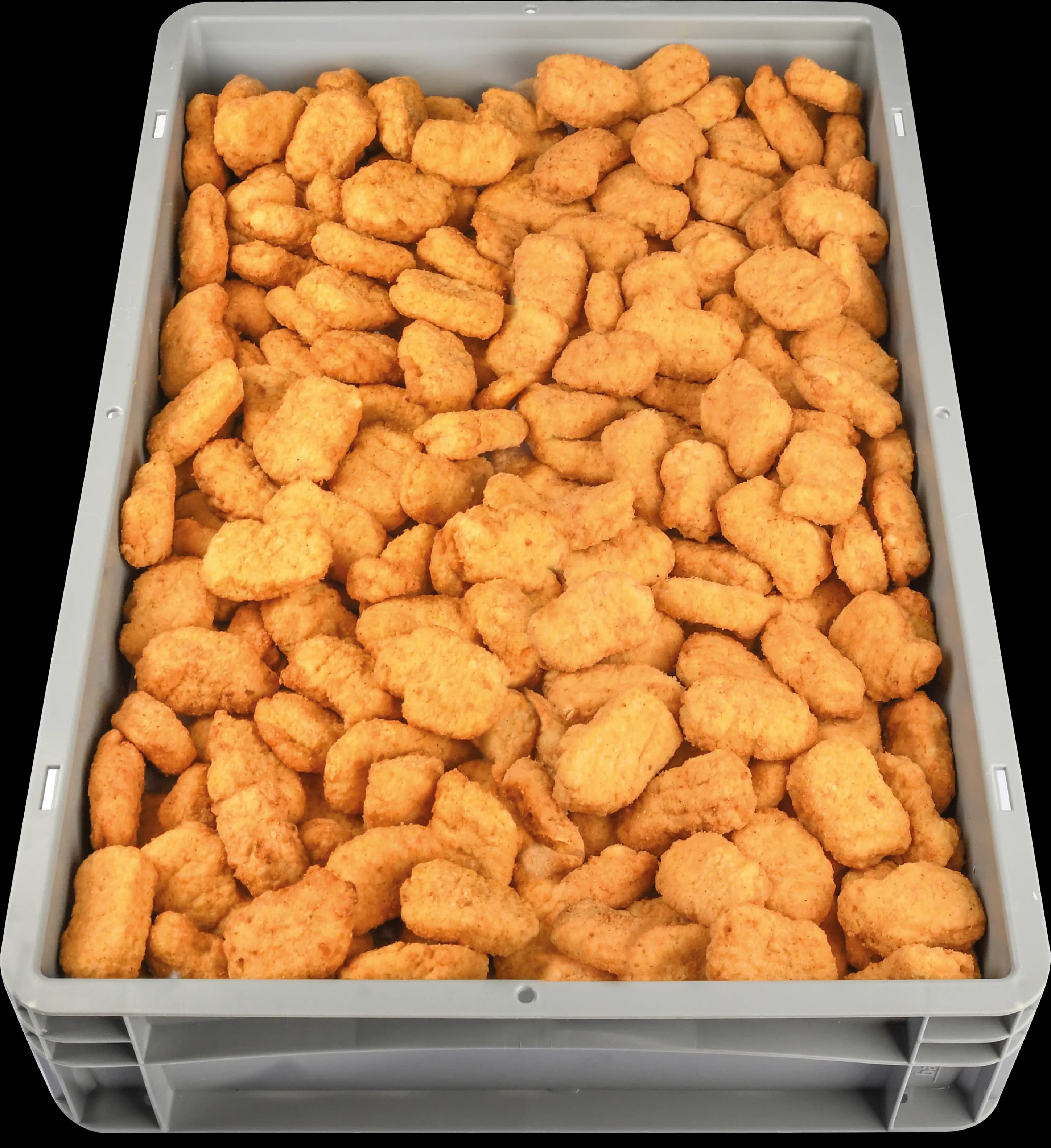
3D localization of loose parts allows the robot to calculate the optimal pick without a dedicated gripper or organized feeding. At Psycle, vision models adapt to the diversity of shapes and materials.
Contact us
Quick links
Frequently asked questions about our vision solutions.
Robot guidance with short vision cycle times, for projects handling a wide variety of formats and designs, with minimal camera adjustments.
application
integration
case study
3D localization of loose parts allows the robot to calculate the optimal pick without a dedicated gripper or organized feeding. At Psycle, vision models adapt to the diversity of shapes and materials.
Contact uscase study
Mounting the camera directly on the robot arm makes it possible to combine guidance and quality control in a single cycle, with no dedicated inspection station, reducing line footprint and cycle time.
Contact uscase study
Machine vision identifies and classifies heterogeneous flows in real time by type, shape or color, to guide a sorting robot with a precision that conventional detection systems cannot achieve.
Contact usYes. The system identifies the reference of each part before picking it, among those you have shown it, and the robot only grips what matches the current order. References can therefore be mixed in the bin without prior sorting.
Through 3D measurement and the part's appearance: it recognizes the visible face and determines how to grip it, including when the part must be placed in a specific orientation. This top/bottom recognition is one of the points we validate on your actual parts.
It selects a part whose tilt and gripping surface allow a secure pick, and that can be reached without hitting the bin or neighboring parts. A part that is tilted too steeply or buried too deep is left for later: the pile rearranges itself as parts are picked.
Yes. The same 3D measurement used to guide the robot also makes it possible to check that the part is compliant before picking it. A non-compliant part does not move on to the rest of the process.
By reducing the time the robot spends waiting for the vision system. Psycle's robot guidance projects target short vision cycle times: the scene is computed while the robot is working, not between two picks. The overall cycle time also depends on the robot, the gripper and the part.
Yes, that is one of the goals of the solution: handling a wide variety of formats and designs with minimal camera adjustments. A new part is presented to the system without rebuilding the cell from scratch.
psycle solutions
Machine vision inspects the cap, label, marking and body at production speed.