case study
Dimensional inspection
Dimensions, tolerances, gauges: machine vision measurement solutions check the geometric conformity of your mechanical parts and packaging without contact, at production speed.
Contact us
Quick links
Frequently asked questions about our vision solutions.
High-speed inspection of numerous elements, on lines handling a wide variety of formats and designs, with minimal camera adjustments.
optics
integration
case study
Dimensions, tolerances, gauges: machine vision measurement solutions check the geometric conformity of your mechanical parts and packaging without contact, at production speed.
Contact uscase study
Pressure, deformation, fill level: machine vision detects leaks and sealing defects on food pouches at the end of the line, to reject non-compliant units before packaging and protect product traceability.
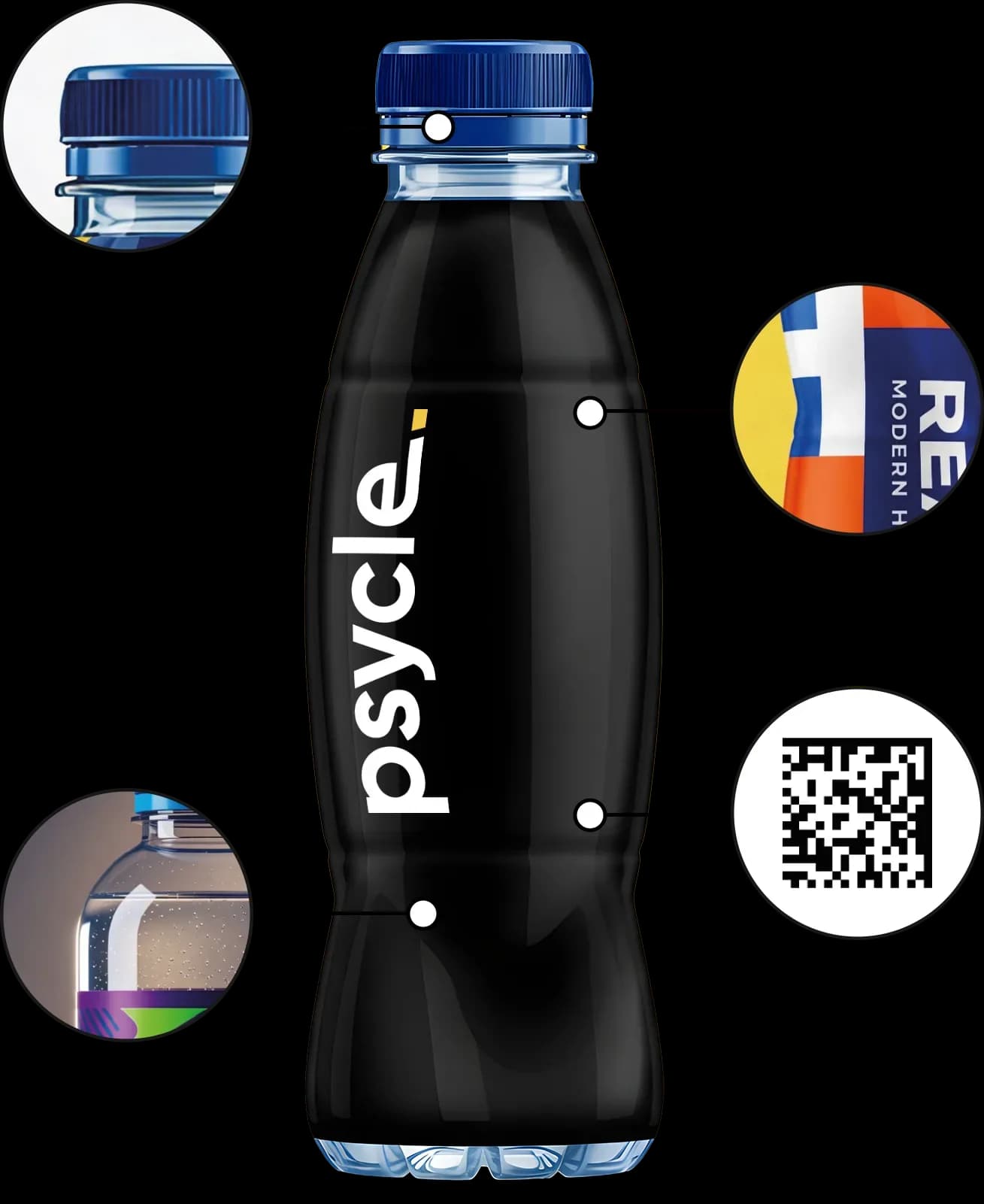
Learn moreIt inspects the four areas where defects are concentrated: the cap or closure (presence, crimping), the label (position, creases, bubbles, tears), the marking (legibility of the code and date) and the body and base (fill level, base deformation, foreign body in the liquid). Cosmetic defects, such as dirt, are inspected with the same cameras. The exact list is set with you, based on your bottles and your acceptance criteria.
Yes. The camera measures the liquid level on every bottle, at line speed, and rejects those that are below or above the set threshold. The inspection is contactless, so it neither slows down nor stops the conveyor; it complements sampling inspection, which only sees part of the production.
With an image of the neck, which first checks that a cap is present and matches the expected product reference, then inspects its crimping. Millimeter-scale defects, such as a skewed or poorly crimped cap, are visible in the image. This inspection prevents a poorly closed bottle from ending up on a pallet.
Yes. The system checks the label position (height and rotation), detects creases, bubbles and tears, and checks that the printed reference is the right one for the current product. This last point is most useful during a changeover: a label from another recipe is rejected before an entire pallet is affected.
Yes. The system reads the QR code, the Data Matrix and the date, then validates that the marking is legible, that is, sharp enough to be read again later. The result is linked to the unit produced: each bottle can thus be traced along with its inspection, and a drifting marking is flagged from the very first bottles.
Through the choice of lighting rather than the camera alone. A transparent or glossy bottle reflects light in ways that hide defects; suitable lighting (backlight, diffuse lighting or low-angle lighting depending on the area) makes them stand out. The optical setup is validated on your actual bottles during the feasibility study, before any hardware commitment.
Yes, that is one of the goals of the solution: handling a wide variety of formats and designs with minimal camera adjustments. The model learns what is normal for each product reference, and a format change is done by switching recipes rather than by reassembling the station. With PAQ, your teams add a new reference themselves.
It is ejected from the line, and an alert is raised if the defect recurs, so you can correct the cause rather than sort out its effects. The inspection keeps pace with the line and covers 100% of bottles, instead of a sample. The number of cameras required depends on the areas to inspect and the speed: it is sized during the feasibility study.
psycle solutions
Machine vision inspects the cap, label, marking and body at production speed.