
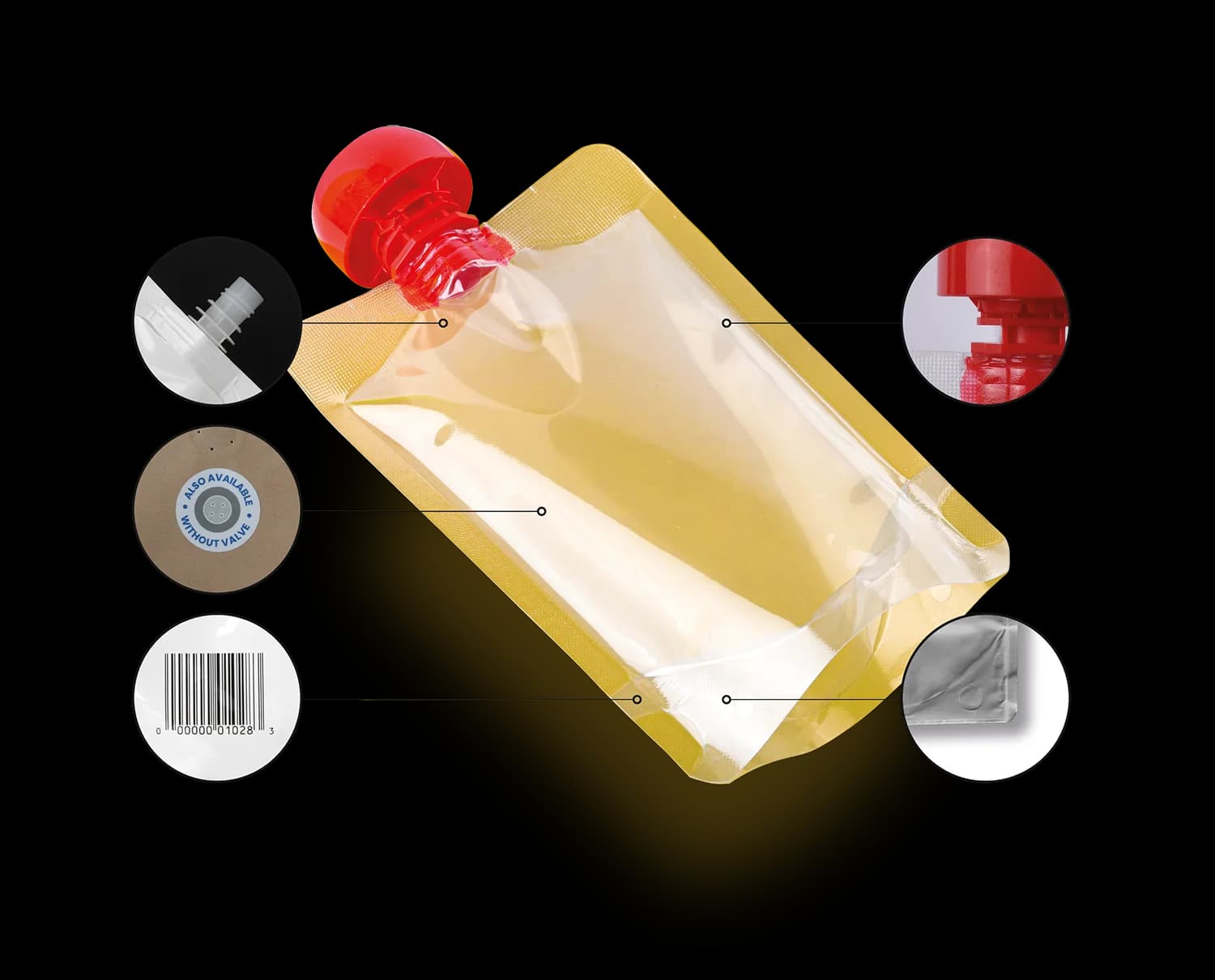
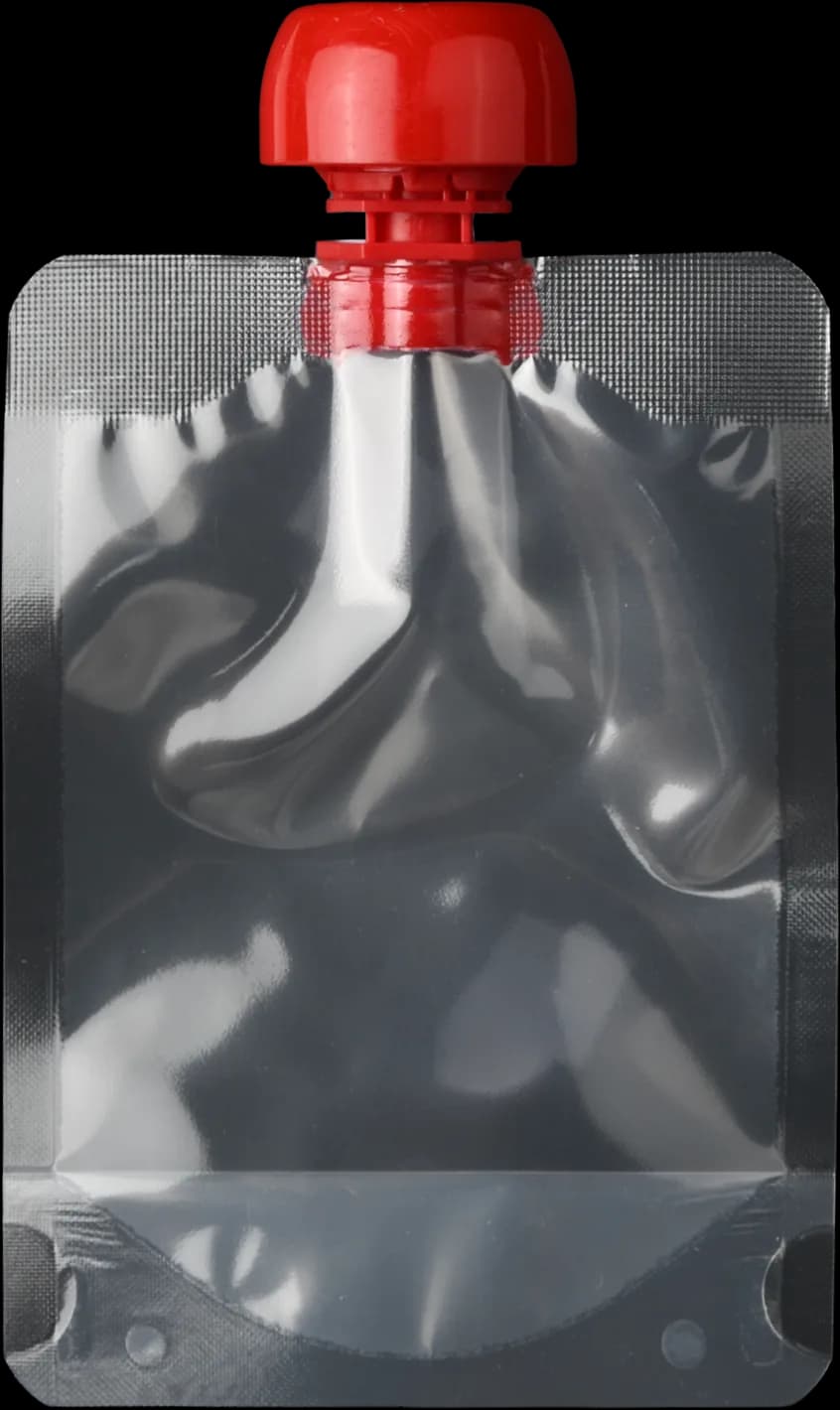
The stand-up pouch

Frequently asked questions about our vision solutions.

High-speed inspection of numerous elements, on lines handling a wide variety of formats and designs, with minimal camera adjustments.

Vision for pouch inspection

optics

Lighting

  • Provide a sufficiently bright environment so as not to slow down image capture.
  • Light the gusset well, right into the corners, to detect leaks.
  • Provide a polarizer on the light source and on the camera.
Assess my feasibility

integration

Station integration

  • Handling of pouches flat or upright depending on the priority inspection points.
  • Well-timed, repeatable positioning to properly view all inspection areas.
  • Distance to the ejection station to be defined according to the required analysis time (number of inspection points and line speed).
Request a visit

case study

Leak detection on pouches

Pressure, deformation, fill level: machine vision detects leaks and sealing defects on food pouches at the end of the line, to reject non-compliant units before packaging and protect product traceability.

Learn more

case study

Seal integrity

Defective heat seals, misapplied lids, non-compliant caps: machine vision inspects 100% of food and pharmaceutical packaging to guarantee leak-tightness and regulatory compliance.

Contact us

case study

Foreign body detection

Psycle machine vision systems detect metal, plastic or bone fragments in real time on your food production lines, before they reach the consumer or damage your equipment.

Contact us

Frequently asked questions about our vision solutions.

Go to the FAQ
Pouch

Can the inspection of each pouch be traced individually?

Yes, provided the pouch carries a readable identifier (QR code, Data Matrix, best-before date). The system reads the code, links the inspection result to the identifier and sends the information to the MES for complete unit-level traceability.

Pouch

Which defects are the hardest to detect on a food pouch?

Fine creases on transparent film, partial delamination and micro-leaks with no visible trace are the most demanding cases. They require low-angle or structured lighting and AI models trained on real defects, not just simulations.

Pouch

How can you identify the causes of leaks on the gusset?

By archiving unit-level inspection images and results, the system makes it possible to correlate a drift in defects with a change in a process parameter: sealing temperature, forming pressure, film batch. This is one of the key functions of PAQ, Psycle's quality monitoring platform, available in the Cloud hosted in France or On-Premises.

Pouch

How can you detect a gusset forming problem before it causes a string of rejects?

A gradual drift in forming is visible in the inspection data well before it reaches the reject threshold. The system raises an alert as soon as the distribution of measurements leaves the nominal range, so the machine settings can be adjusted in time.

Pouch

Can vision validate the performance of a new type of gusset from the start of series production?

This is one of the most common use cases. By configuring a recipe dedicated to the new format, the system collects inspection data from the very first batches and enables fast statistical validation, without waiting for feedback from the field.

Pouch

Can a pouch gusset be inspected at industrial speeds?

Yes. Vision systems operate in real time without creating a bottleneck on the line. The acquisition frequency is matched to the machine rate during the optical study phase; at Psycle, this step comes before any hardware procurement.

Pouch

How can you confirm that a seal is compliant?

Vision inspects the continuity, width and position of the seal on 100% of units. It raises an alert as soon as an incomplete, missing or out-of-tolerance seal is detected, without waiting for a sampling inspection.

psycle solutions

A defect on your bottle line must not reach the consumer.

Machine vision inspects the cap, label, marking and body at production speed.