
PAQ centralizes the management of your entire fleet of vision systems, tracks its performance and evolves it with your lines. A complete platform to visualize your data, control your AI training and administer your machines, for inspection stations that improve at the pace of your production.
Market context
Managing your fleet of vision systems: the end of spreadsheets and scattered reports.
Keeping a fleet of vision stations running over time quickly becomes an organizational problem.
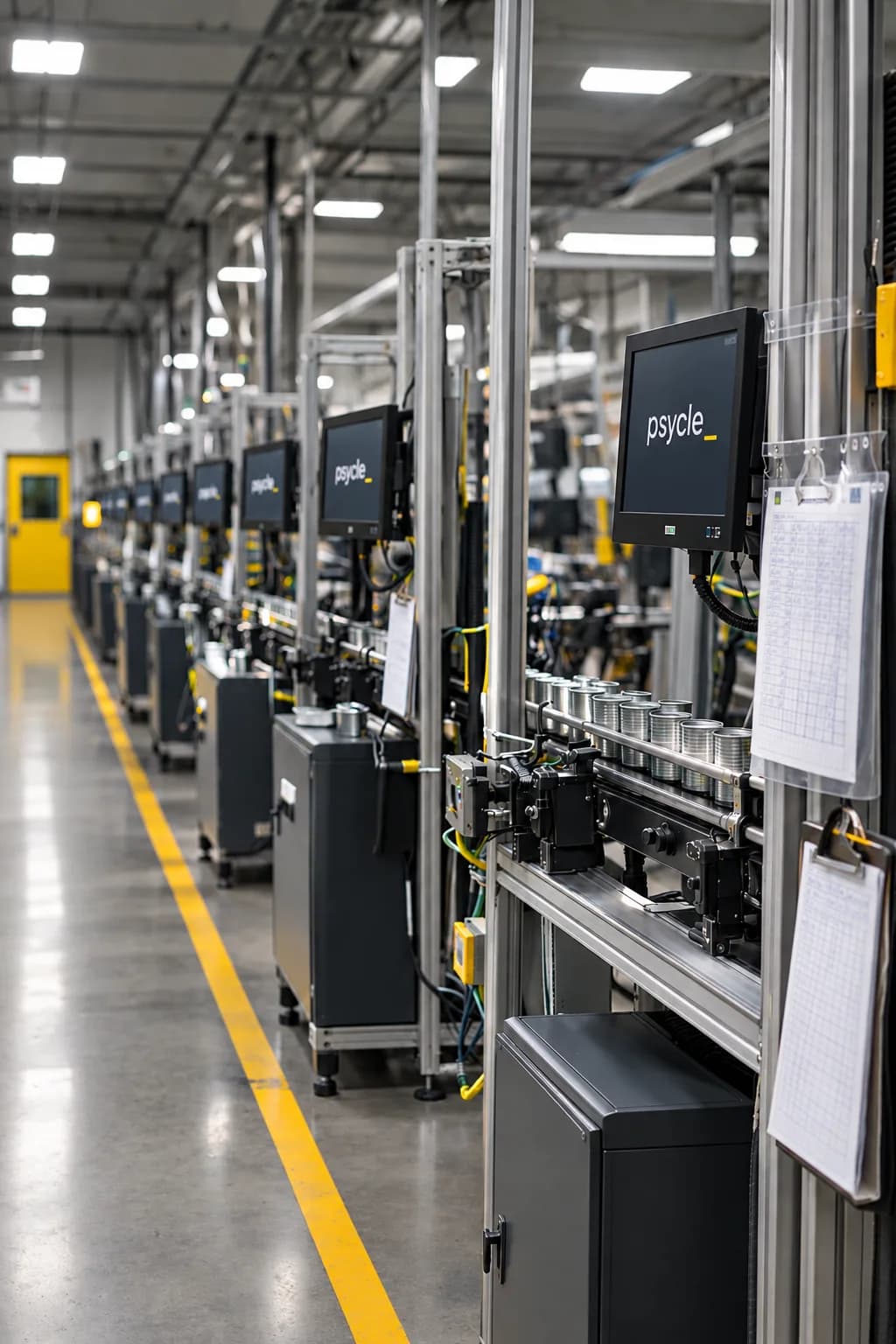

Without a dedicated tool, monitoring relies on spreadsheets, manual reports and data scattered machine by machine: it is hard to compare performance, to know which application version is running where, or to find the images that explain a quality drift.

General-purpose MLOps platforms bring structure, but they are not designed for machine vision: neither for the link with stations in production, nor for the machine fleet, nor for field constraints.

Calling on your vision service provider for every change is an option, but it creates dependency: a new product, a tightened quality criterion, a line modification — every change requires outside intervention, a delay and a cost. Without a tool to manage and retrain your stations in-house, your vision systems remain frozen at the time of their installation.
PAQ is a platform designed specifically for machine vision: it brings together data, training and the machine fleet in one place, so that your inspection stations improve continuously instead of remaining frozen after installation.
The PAQ monitoring platform
Continuous improvement of vision stations: what PAQ actually does


Centralize your entire fleet of vision systems
PAQ brings all your vision stations together in a single interface: which application version is deployed on which machine, which global actions to apply, what history for each station. You manage your fleet from one place, instead of going from machine to machine.

Track and improve performance
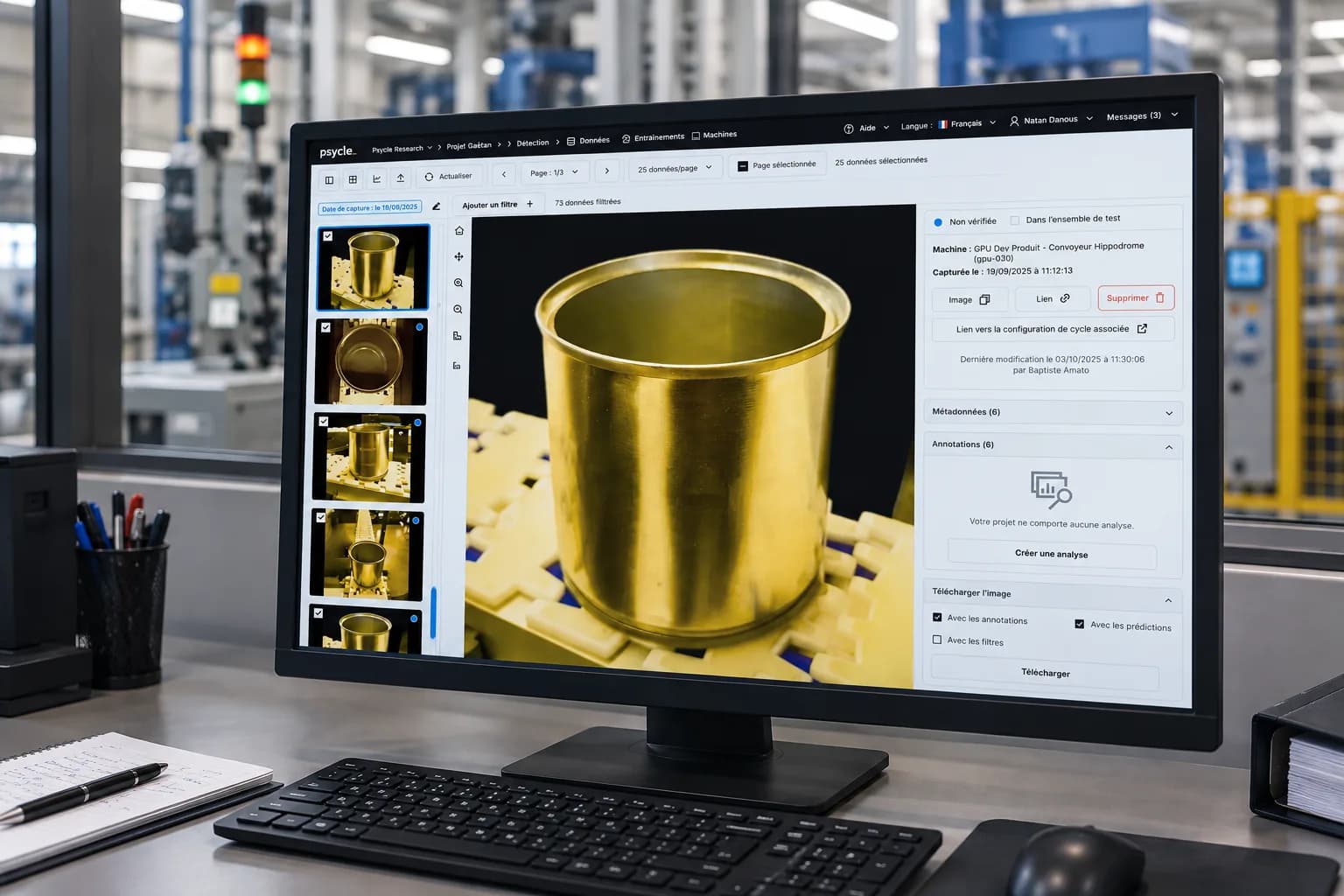
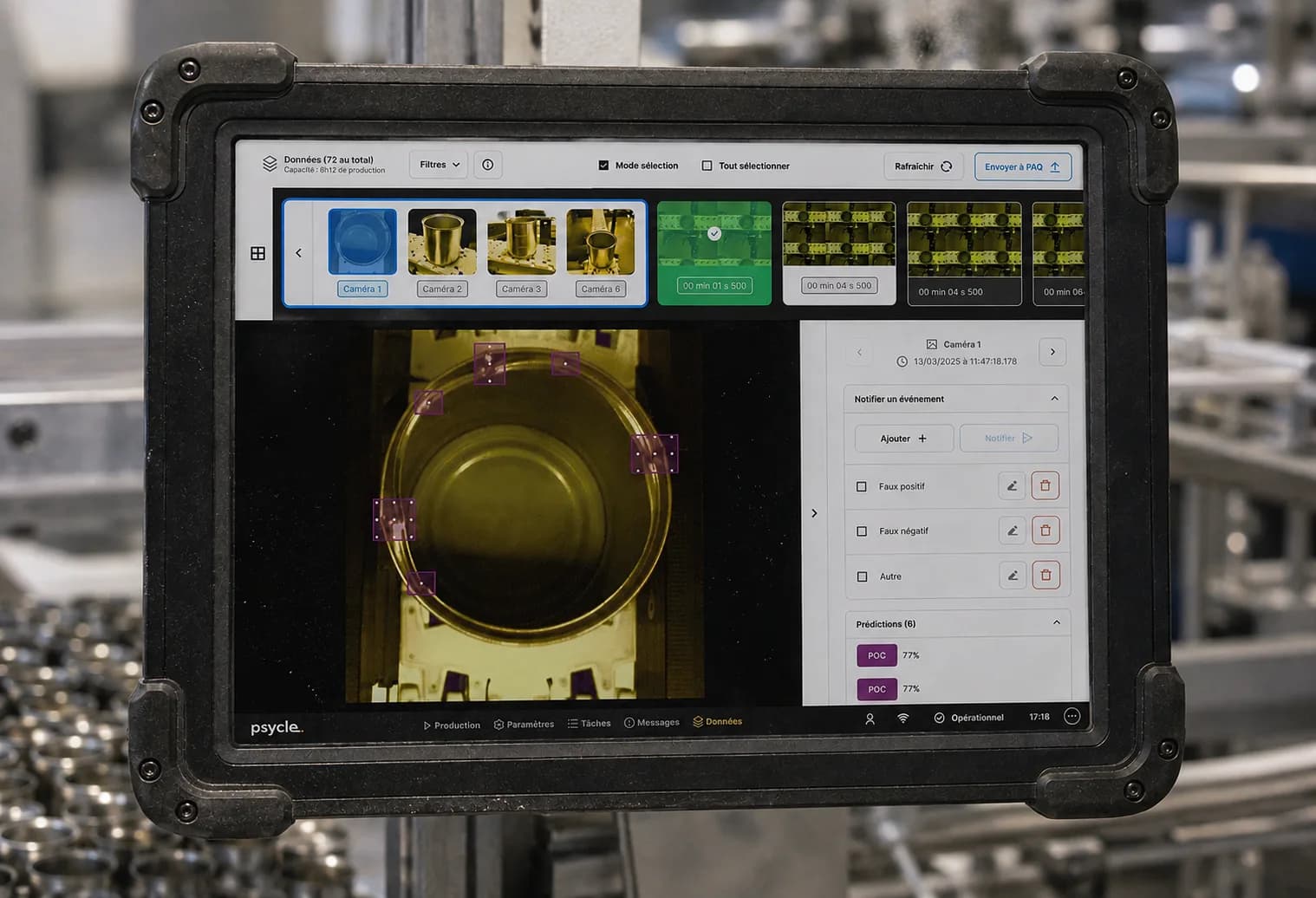
PAQ lets you visualize and explore large volumes of image and statistical data, to identify a drift, understand a recurring defect and decide on adjustments (for example when a new product format brings up new cases to handle).

Evolve vision along with your lines
A new product, a line modification, a tighter quality requirement: with PAQ, you retrain and redeploy your models to keep up with these changes, without starting from scratch each time.
Whether you are a manufacturer looking to improve your own vision stations, or a machine builder wanting to centralize your deployments and offer additional services to your customers, PAQ puts you in control of your fleet's performance over time.
The PAQ monitoring platform
PAQ modules : data, training and machine fleet
Data
Find the right image among millions
The Data module lets you visualize and search large quantities of image or statistical data. Quickly find the images linked to a defect, a product or a period, to analyze a drift or build a training dataset.
Training
Control your machine learning in-house
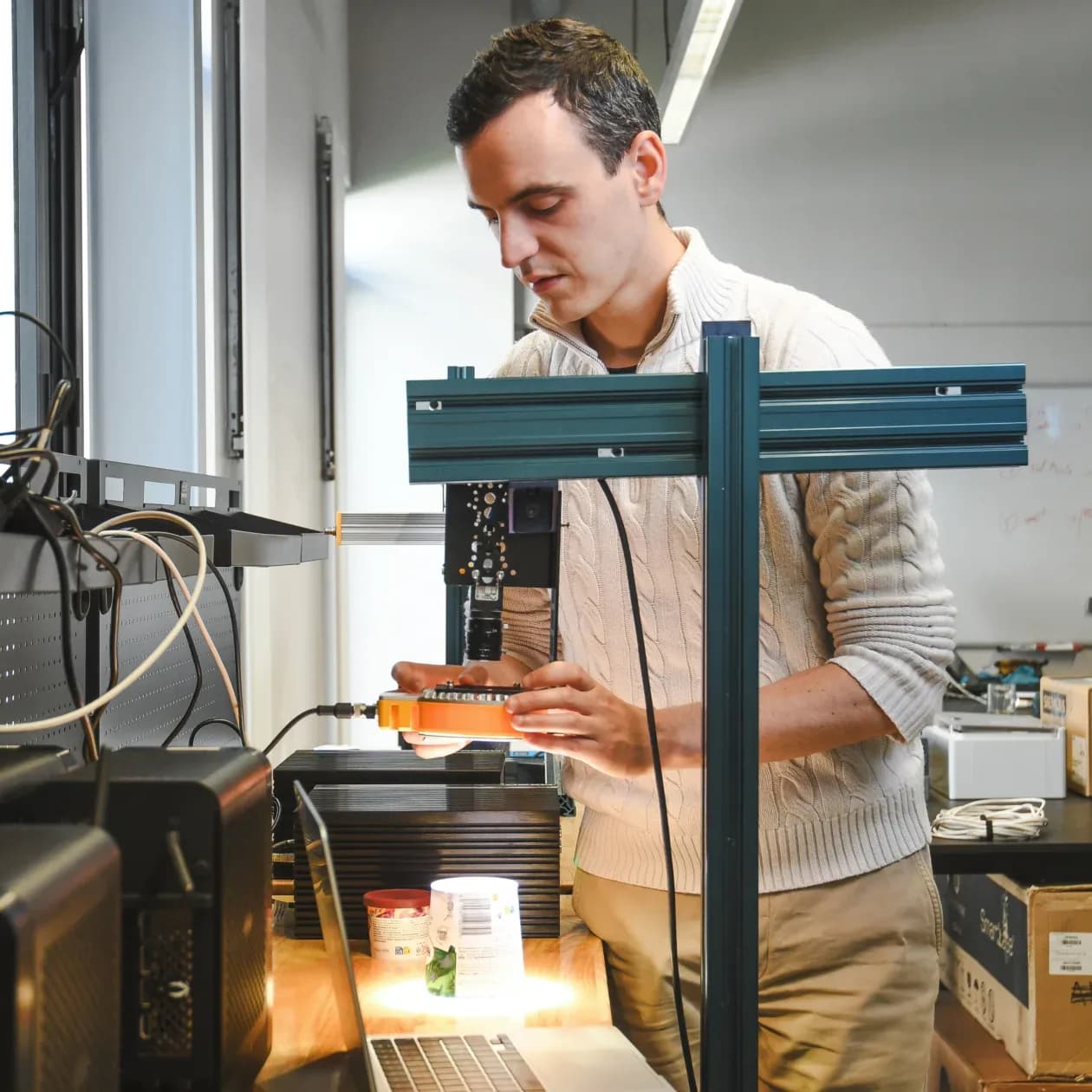
The Training module centralizes the entire machine learning cycle: annotation, tracking and storage of training runs, monitoring of training results. You stay in control of your vision models, without depending on an external service provider for every retraining.
Machines
Manage your entire fleet from one single place
The Machines module manages your fleet of vision systems: application version deployed on each station, fleet-wide global actions, complete history logging. You always know what is running where, and you deploy your changes in a controlled way.
Administration
Deploy PAQ at the scale of a global industrial group
The Administration module provides fine-grained management of access rights to PAQ: users, roles and scopes configurable according to your organization's structure. Deploy PAQ across multiple sites or entities without losing control over who sees what: each team accesses its own data, not that of others.
Do these screens
catch your eye?
Nothing beats a demo on your own stations.
Request a demoThe PAQ monitoring platform
Data security and sovereignty: French Cloud or On-Premises
PAQ processes sensitive industrial data (production images, models, statistics), and protecting it is at the heart of its design.
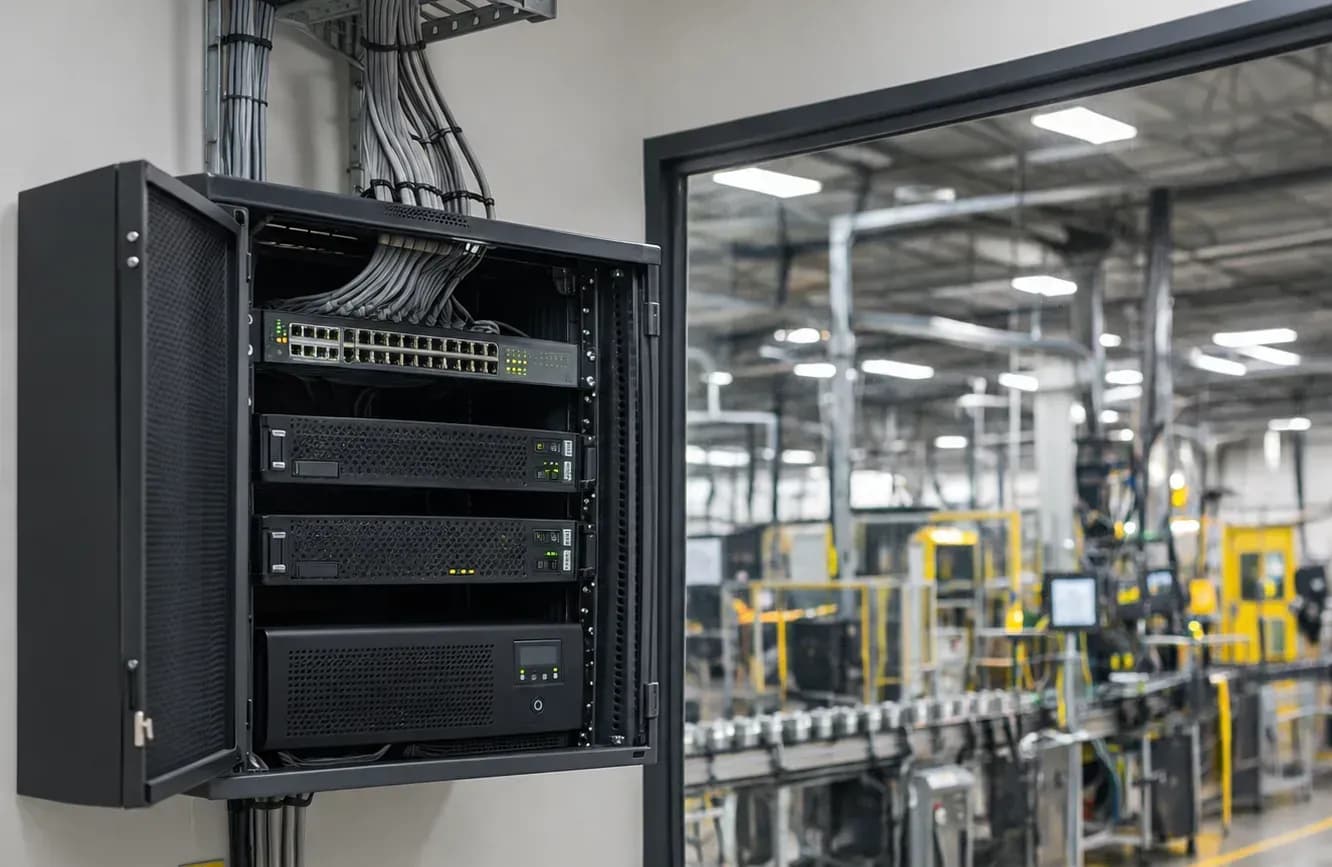
PAQ is available as a Cloud version hosted in France, as well as an On-Premises version for industries where sovereignty is critical, which can then keep all of their data within their own infrastructure.
This requirement is part of an end-to-end security and compliance approach, backed by Psycle's ISO 27001 certification and full traceability of data and access.
The PAQ monitoring platform
PAQ + PAP: improve the stations you manage every day
PAQ and PAP are two complementary software products, designed to work together. PAP supervises and controls your production in real time, on the line; PAQ takes a step back to manage, analyze and improve all your vision stations over time.
PAQ is most often deployed with PAP, whose vision applications it helps evolve, while remaining technically standalone to adapt to a variety of configurations.
Frequently asked questions about our vision solutions.
Go to the FAQPAQHow does PAQ integrate with our existing quality tools (MES, ERP)?
The results and statistics produced by PAQ are meant to feed your quality and production KPIs, not to stay isolated in a separate platform. PAQ interfaces with standard business tools (an MES such as VIF, an ERP such as SAP) so that the monitoring data from your vision stations flows directly into your existing dashboards, with no re-keying and no proprietary connector. Integration protocols are defined according to your IT architecture during deployment.
PAQCan PAQ be used without PAP?
PAQ is technically standalone. In the vast majority of deployments, it works with PAP, supervising its applications and improving its models. But nothing prevents you from connecting PAQ to existing vision stations outside this ecosystem, depending on the case. If you are starting from an installed base, the right question is not “PAP or no PAP” but “what data can PAQ retrieve from your current stations”. A quick assessment is enough to answer it.
PAQHow many machines can be managed with PAQ?
PAQ imposes no fixed limit on the number of stations monitored. The platform is designed to support deployments at the scale of an industrial group, with multiple sites and dozens of machines. The Administration module allows fine-grained management of access rights according to your organization's structure (each team, site or entity accesses its own scope with no visibility into the others). Before any deployment, a study phase maps your installed base, defines the rights structure suited to your organization and plans a gradual, controlled rollout.
PAQHow does PAQ handle data security and the confidentiality of production images?
Production images are sensitive data, and protecting them is an integral part of PAQ's design. The platform is available as a Cloud version hosted in France, as well as an On-Premises version for industries where confidentiality is critical (nuclear, defense, aerospace), which can then keep their data within their own infrastructure. This requirement is part of a certified security approach: Psycle is ISO 27001 certified, with full traceability of data and access.
PAQIs PAQ compatible with vision stations not developed by Psycle?
PAQ is technically standalone and can supervise vision stations developed outside the Psycle ecosystem. In practice, it is most often deployed with PAP, with which it integrates natively. If you have an existing installed base running other software, contact us directly: we are in regular discussions with other machine vision software vendors, and we can quickly tell you whether an integration with your current solution is feasible.
PAQHow does PAQ let you evolve your vision stations independently, without going back to a service provider?
Depending on a service provider for every change is not inevitable: it often stems from the lack of a tool that makes these operations accessible in-house. PAQ gives process engineering and quality managers visibility over their stations (deployed versions, performance, drift) and the tools to act: annotating new images, retraining and deploying updated models. A new product, a tightened quality criterion or a line modification become routine operations, managed by your own teams, not projects to outsource.
PAQWhat is the difference between PAQ and a general-purpose MLOps platform?
General-purpose MLOps platforms are designed to manage model training cycles in a data science context. They bring structure, but ignore the realities of a fleet of machine vision systems in production: the link with the stations on the line, managing the application versions deployed machine by machine, or the ability to find one specific image among millions to understand a drift. At Psycle, PAQ is built around these constraints: it is a monitoring platform designed for vision systems that run continuously, not for data pipelines in a lab.
psycle solutions
Clear quality monitoring, in real time
Centralize inspection data from your lines and manage quality with a reliable overview.