case study
Seal integrity
Defective heat seals, misapplied lids, non-compliant caps: machine vision inspects 100% of food and pharmaceutical packaging to guarantee leak-tightness and regulatory compliance.
Contact us
Quick links
Frequently asked questions about our vision solutions.
High-speed inspection of numerous elements, on lines handling a wide variety of formats and designs, with minimal camera adjustments.
optics
integration
case study
Defective heat seals, misapplied lids, non-compliant caps: machine vision inspects 100% of food and pharmaceutical packaging to guarantee leak-tightness and regulatory compliance.
Contact uscase study
Psycle machine vision systems detect metal, plastic or bone fragments in real time on your food production lines, before they reach the consumer or damage your equipment.
Contact uscase study
Pressure, deformation, fill level: machine vision detects leaks and sealing defects on food pouches at the end of the line, to reject non-compliant units before packaging and protect product traceability.
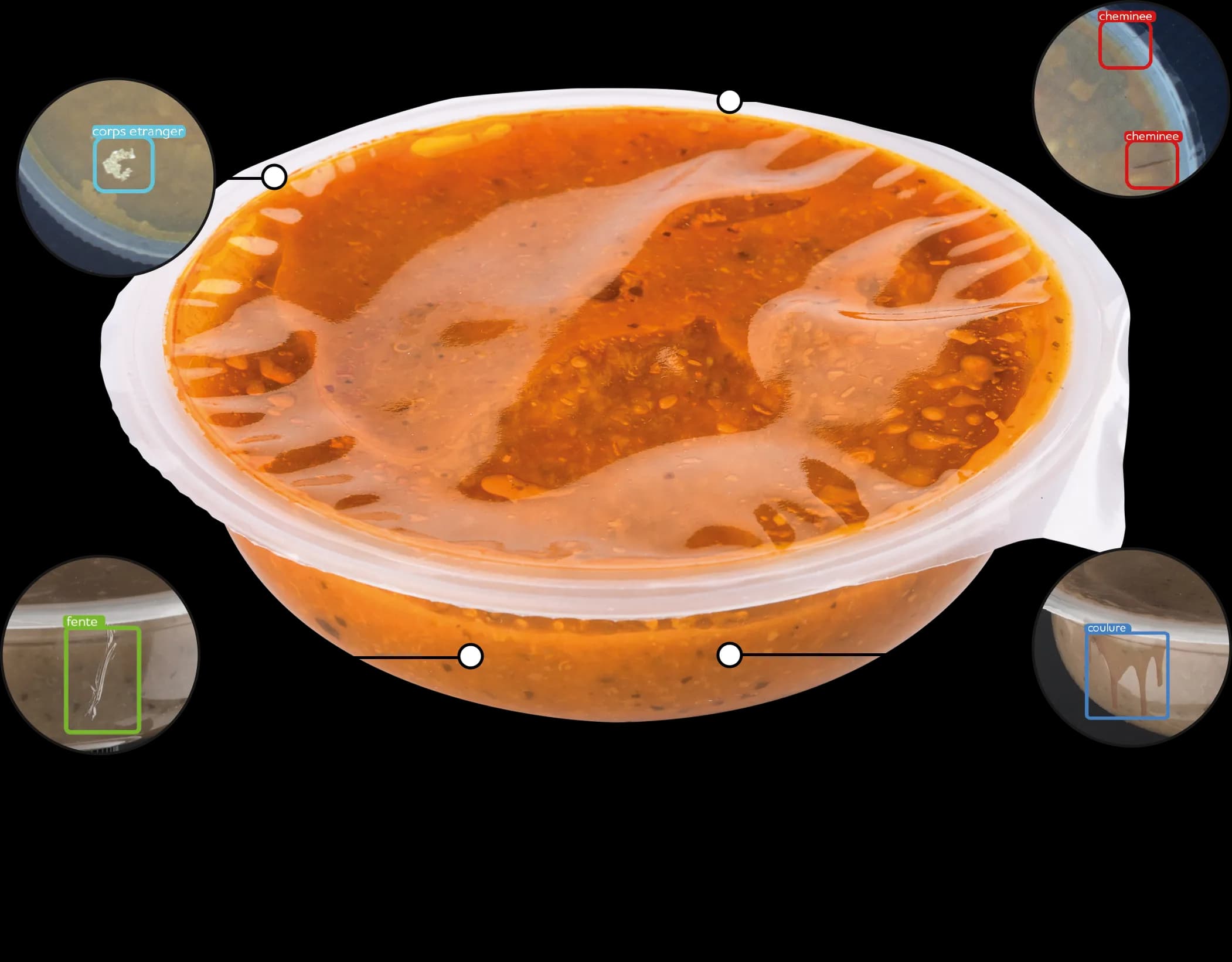
Learn moreIt detects product in the seal, seal defects and channel leaks, among others. These defects are numerous and varied: the AI learns from the specific characteristics of each one rather than applying a single threshold.
Yes. A poorly sealed lid is visible in the image as soon as it leaves the tray sealer, before it shows up in a leak test or at the customer's site. Every tray is inspected at line speed, not just a sample.
Yes, under the lidding film as well as on the surface of the product. A foreign body can be recognized by a different shade or shape, which lighting reveals down to four hundredths of a millimeter. Detection remains limited to visible bodies: what is detectable on your products is confirmed during the feasibility study.
Marks, dents and clouding stand out when the lighting sweeps across the tray wall. The optical setup is therefore designed to bring out these surface features rather than simply illuminate the part.
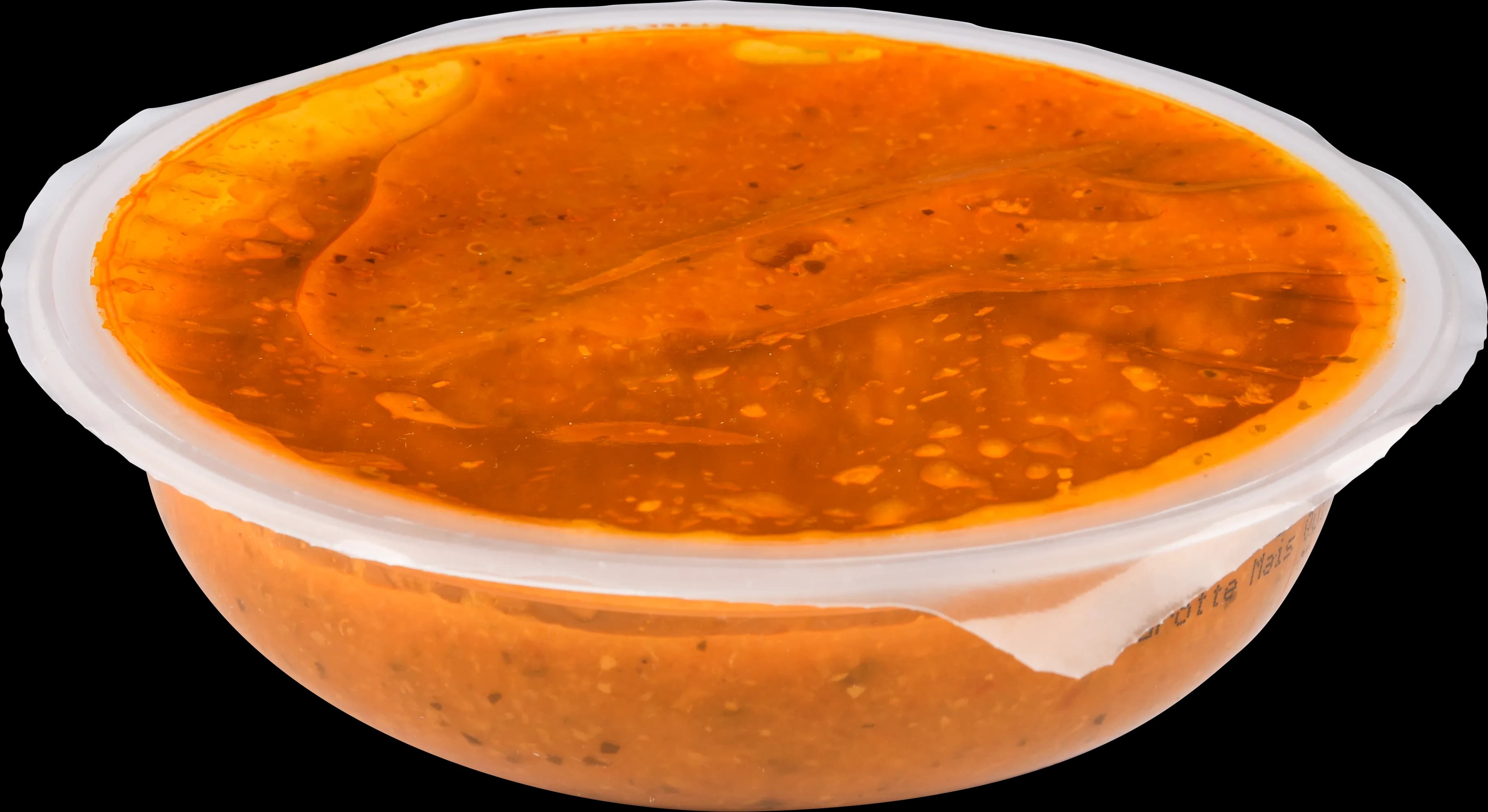
Yes, it is a filling defect. The system must recognize the different planes of the image to distinguish product that overflows from product that is properly inside the tray. It learns this difference from images of your production.
Yes, that is one of the goals of the solution: inspecting a wide variety of formats and designs at high speed with minimal camera adjustments. The model learns what is normal for each product reference, and your teams can add a new one using the PAQ quality platform.
psycle solutions
Machine vision inspects the cap, label, marking and body at production speed.